
The Ripple Effect of Our Decisions

An externality is a concept that has been shaping economic and business discussions for over a century. Originally coined in the late 1800s and popularized in the 1920s by economists, the term refers to an unknown or unexpected consequence that someone else experiences as a result of your actions.
For example, industrial use of PCBs (polychlorinated biphenyls) was once widespread and companies disposed of them by dumping them into rivers. The unintended consequence was an almost total wiping out of the raptor population in North America. The environmental damage was not an immediate concern to those industries at the time, but its effects were devastating and long-lasting.
The Leadership Lesson: Unintended Consequences Matter
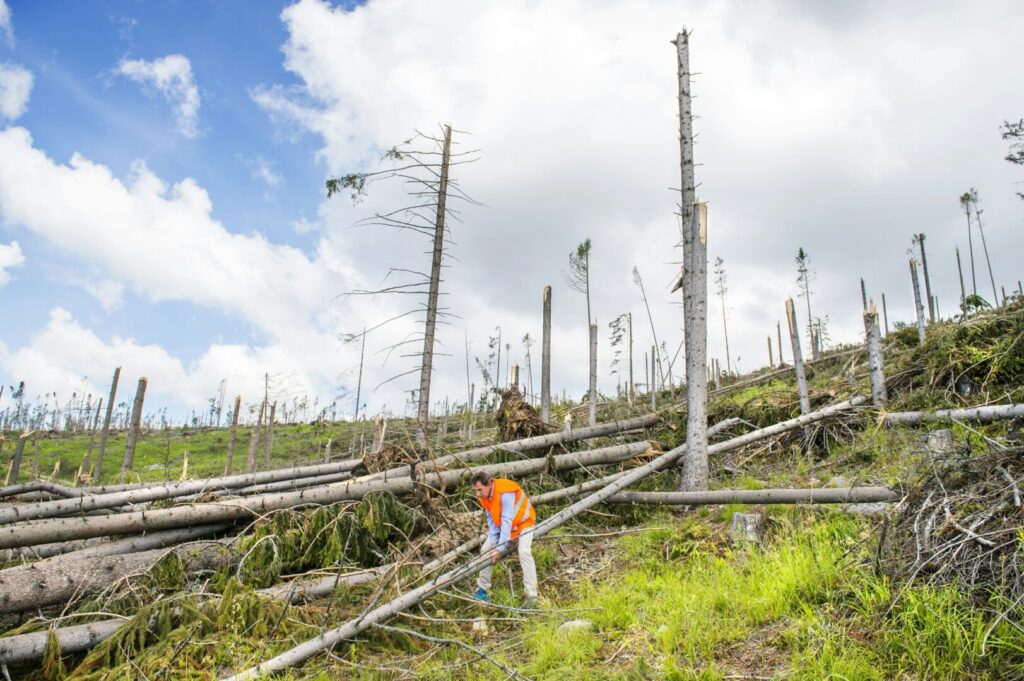
In business and leadership, externalities aren’t limited to environmental damage. They show up in company culture, decision-making, and long-term planning.
Consider these examples:
- A company that prioritizes cost-cutting over employee well-being may save money in the short term but experience long-term consequences in the form of high turnover, low morale, and reduced productivity.
- Leaders who focus solely on revenue growth without considering sustainability might see short-term gains but eventually face reputational damage, regulatory backlash, or worse – imagine accidentally injuring or killing your best friend’s daughter who happens to live downstream!
- A culture that neglects inclusivity and fairness may not notice the immediate impact but will suffer from disengagement and lack of innovation over time. You don’t have to be alive in today’ s destructive political climate to know, in your heart, that this is true.
How to Lead with Awareness of Externalities
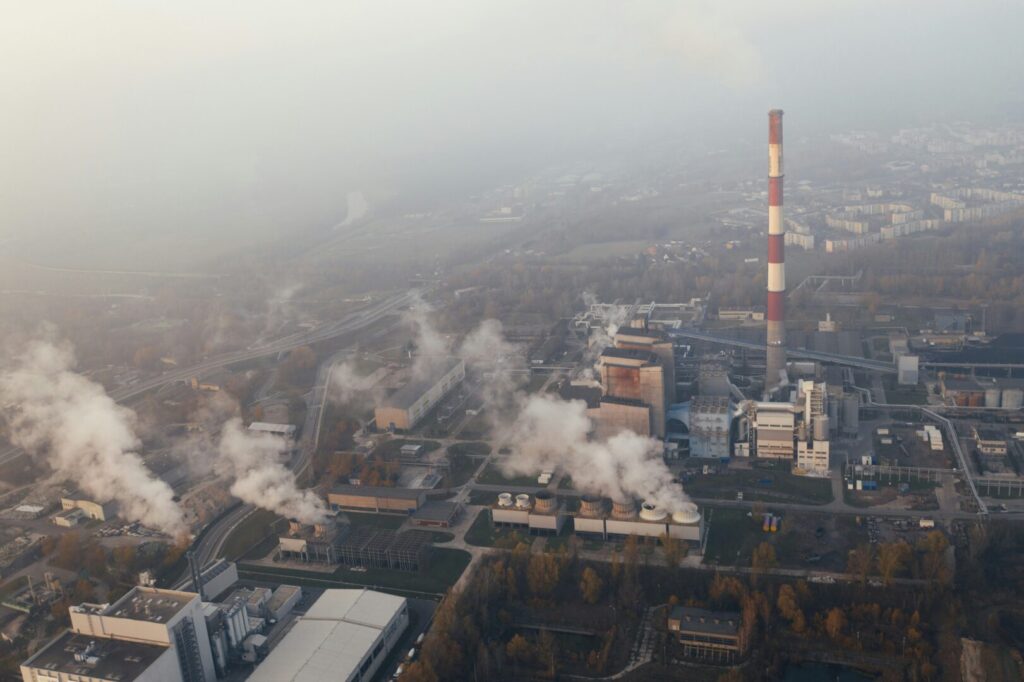
As leaders, we must ask ourselves: What are the unintended consequences of my decisions? To create a truly sustainable and conscious organization, consider these steps:
- Adopt a Systems Thinking Approach
- Use non-arguable goals like Zero Unmeasured Externalities (you can easily find articles on this topic on LinkedIn and our website) to look beyond immediate outcomes and assess the ripple effects of your choices.
- Engage stakeholders, employees, and communities in discussions about potential impacts.
- Measure the Hidden Costs
- Just because something isn’t on a balance sheet doesn’t mean it isn’t costing you. Employee burnout, environmental damage, and brand reputation all carry real costs.
- Embrace Responsible Leadership
- Make ethical decision-making a core business principle.
- Invest in sustainability and employee well-being as long-term priorities, not afterthoughts.
Final Thoughts
Externalities are everywhere in leadership and business.
The question is: Are you paying attention to them? Being proactive about unintended consequences not only protects your organization but also creates a more sustainable, ethical, and profitable future.